
September 14, 2026
How to Sleep Better Naturally With Ayurvedic Sleep Remedies
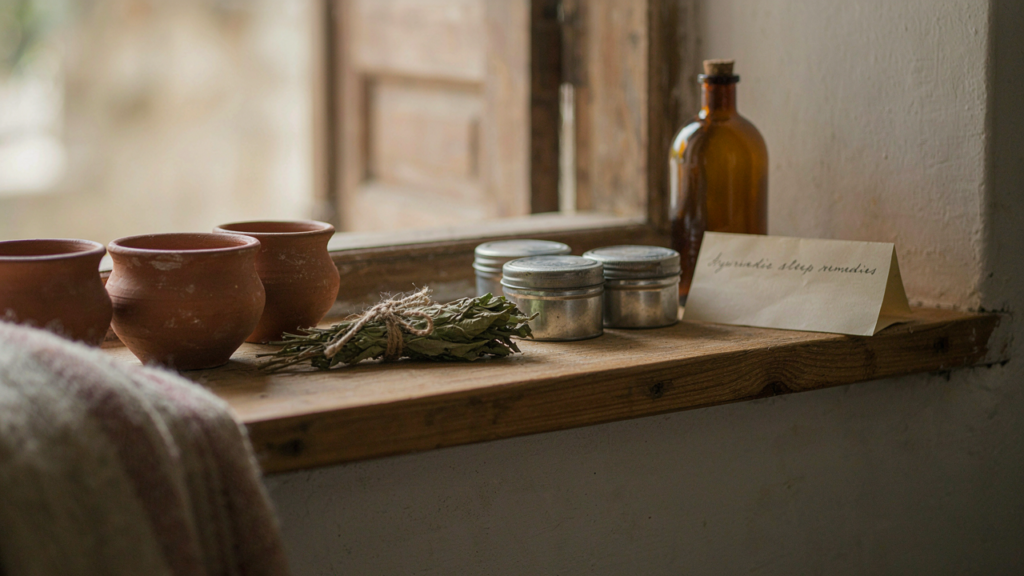
A restless night can make the following day feel heavier than it needs to be. You may find yourself taking longer to fall asleep, waking during the night, or lying in bed with a busy mind that refuses to settle. Ayurveda approaches sleep from a wider perspective, asking not only what happens at bedtime, but also how daily rhythm, food, activity, stress and the changing seasons influence our ability to rest.
Ayurvedic sleep remedies are best understood as gentle traditional practices that help create supportive conditions for rest. Rather than looking for one quick solution, Ayurveda encourages consistency: calming the evening, following natural rhythms, nourishing the body appropriately and giving the mind time to become quiet. For modern Australian life, where long summer evenings, changing seasons and busy schedules can affect daily rhythms, these simple practices can become meaningful ways to reconnect with rest.
Read More Ayurvedic Wellness Guides
What Are Ayurvedic Sleep Remedies?
Ayurvedic sleep remedies are traditional practices used to create a more restful relationship with sleep. They may include evening rituals, gentle self-massage, mindful breathing, appropriate food habits, regular sleep times and adjustments based on individual constitution and seasonal changes.
In Ayurveda, sleep is known as nidra and is regarded as one of the important pillars of wellbeing, alongside nourishment and balanced living. Rest is not simply the time when we stop being active. It is considered an essential part of maintaining steadiness, renewal and clarity.
This perspective changes the question from “What can I take to make myself sleep?” to “What can I change in my daily rhythm to make rest easier?”
That distinction is important. Ayurvedic tradition generally emphasises creating supportive conditions rather than forcing sleep.
How Can Ayurveda Support Better Sleep Naturally?
Ayurveda encourages a gradual transition from activity to rest. The body and mind may find it easier to settle when the evening becomes quieter, darker and more predictable.
A simple evening rhythm might include:
- Eating dinner earlier and keeping it relatively light
- Dimming lights as evening approaches
- Reducing stimulating screen use before bed
- Taking a warm bath or shower
- Practising a few minutes of gentle breathing
- Applying a small amount of suitable warm oil to the feet
- Spending a few quiet moments in reflection or gratitude
- Going to bed at a reasonably consistent time
The purpose is not to create a complicated ritual. Your existing PRANA approach to daily rituals emphasises small, repeatable practices rather than perfection. Consistency and intention are more important than performing a long list of practices every night.
Ayurvedic Sleep Remedies for a Calmer Evening
One of the simplest ways to explore Ayurvedic sleep remedies is to create a clear boundary between daytime activity and nighttime rest.
1. Create an evening wind-down ritual
Moving directly from work, social media or television into bed can leave the mind feeling active. Instead, create a short period in which you intentionally reduce stimulation.
Dim the lights, put away unnecessary screens and choose a quiet activity such as reading, gentle stretching or sitting quietly.
Over time, repeating the same sequence can make it a familiar signal that the day is coming to an end.
2. Try gentle foot self-massage
Warm oil self-massage is a traditional Ayurvedic practice. Your existing PRANA content describes applying soothing oil to the feet before bed as one possible evening ritual.
The practice does not need to be elaborate. A few quiet minutes of caring attention can become part of a calming bedtime routine.
Choose products carefully and avoid anything that irritates your skin. If you are unsure whether an oil is suitable for you, seek appropriate professional advice.
3. Practise quiet, comfortable breathing
Breath is one of PRANA’s four central pillars of Ayurvedic wellness.
Before bed, you might spend a few minutes simply noticing the breath and allowing it to become slower and more comfortable. There is no need to force deep breaths or practise advanced techniques.
The intention is awareness and settling, not performance.
4. Give your mind time to become quiet
A busy mind can make the transition to sleep difficult. Ayurveda encourages practices that cultivate stillness and awareness throughout the day, not only at bedtime. A short period of gratitude, quiet reflection or simply sitting without stimulation can help create a softer transition into the night.
How Do the Doshas Relate to Sleep?
Ayurveda recognises three doshas — Vata, Pitta and Kapha — and suggests that each can influence patterns of rest differently.
Vata is traditionally associated with movement and may be reflected in light or easily disturbed sleep. From an Ayurvedic perspective, warmth, grounding and regularity are often emphasised when Vata qualities are prominent.
Pitta is associated with transformation and heat. When Pitta qualities are strong, Ayurveda traditionally emphasises cooling and calming practices, particularly when the mind remains active late at night.
Kapha is associated with stability and heaviness. People with stronger Kapha qualities may traditionally experience deeper or longer sleep and may benefit from appropriate daytime movement and avoiding overly heavy evening habits.
These descriptions are part of Ayurvedic tradition rather than medical diagnoses. Ayurveda also recognises that everyone has all three doshas in different proportions and that these qualities can change with seasons, stress and lifestyle.
Can Daily Habits Affect Your Sleep?
Yes. Ayurveda views nighttime rest as connected to the rhythm of the entire day.
Your daytime choices can influence how naturally you transition into sleep. Regular movement, appropriate meal timing, time outdoors, mindful pauses and consistent sleep and waking times can all become part of a supportive daily rhythm.
For example, PRANA’s approach to daily rituals includes simple practices such as conscious breathing, regular meals, movement, time in nature and an intentional evening wind-down.
This is why Ayurvedic sleep remedies should not be viewed only as bedtime techniques. Better rest can begin in the morning.
How Should Your Sleep Routine Change With the Seasons?
Ayurveda traditionally pays close attention to the changing qualities of nature, and your sleep routine can also respond to seasonal conditions.
During Australia’s warmer months, long evenings and higher temperatures may encourage later nights. Creating a cooler sleeping environment, choosing lighter evening meals and intentionally beginning the wind-down earlier can help maintain a steadier rhythm.
During cooler months, warmth may become more comforting. A warm shower, suitable self-massage, comfortable bedding and an earlier evening meal can create a more grounding nighttime environment.
The goal is not to follow rigid seasonal rules. It is to notice how your environment affects you and make gentle adjustments accordingly. PRANA’s existing sleep guidance similarly encourages adapting rest practices to Australia’s changing seasons.
What Makes Ayurvedic Sleep Remedies Different From a Quick Fix?
The Ayurvedic approach is less about finding a single remedy and more about understanding patterns.
If sleep becomes unsettled, Ayurveda encourages looking at questions such as:
- Has my daily schedule become irregular?
- Am I staying up later than usual?
- Am I eating heavily close to bedtime?
- Have I been exposed to more stimulation in the evening?
- Am I carrying stress from the day directly into bed?
- Has the season or temperature changed?
- Am I allowing enough quiet time during the day?
These questions can help you notice relationships between lifestyle and rest.
The most useful practice may therefore be different for different people. One person may benefit from greater consistency, while another may need to reduce evening stimulation or create more warmth and grounding in their routine.
A Simple Ayurvedic Bedtime Routine to Try
If you are new to Ayurvedic sleep practices, begin with something simple rather than changing your entire lifestyle.
60–90 minutes before bed: Begin reducing stimulating activities and unnecessary screen use.
Around dinner: Choose a meal that feels comfortable and avoid making very heavy late-night eating a regular habit.
30–60 minutes before bed: Dim the lights and move into quieter activities.
Before getting into bed: Try a few minutes of comfortable breath awareness, quiet reflection or gentle self-massage.
At bedtime: Keep your sleep environment comfortable, dark and peaceful.
Over the following days: Notice how you feel rather than expecting an immediate result. Ayurveda places value on observing patterns and making small, consistent changes.
Are Ayurvedic Sleep Remedies Safe?
Traditional lifestyle practices and herbal preparations should not be treated as the same thing.
Simple practices such as creating a consistent bedtime, reducing evening stimulation, gentle breathing and quiet reflection are different from taking herbs or other preparations. Herbal products can have active ingredients and may not be appropriate for everyone.
PRANA’s educational guidance recommends speaking with a qualified health practitioner before beginning a new herb, oil or dietary change, particularly during pregnancy or breastfeeding, when managing a health condition or when taking prescribed medication.
If sleep difficulties are persistent, severe or affecting your daily life, appropriate healthcare advice is important. Ayurvedic education can complement your understanding of wellbeing, but it should not replace medical assessment or treatment.
Conclusion:
Better sleep does not have to begin with a complicated routine. Ayurvedic sleep remedies can be understood as gentle ways of creating the conditions for rest: quieter evenings, consistent rhythms, mindful breathing, appropriate nourishment, seasonal awareness and moments of stillness. The most important step is to begin gently. Choose one practice that feels realistic, repeat it consistently and pay attention to how your body and mind respond.
Ayurveda does not ask for perfection. It invites greater awareness of the relationship between daily choices, natural rhythms and wellbeing. That simple shift in perspective can make the journey toward more restorative rest feel less like a struggle and more like a return to balance.
Frequently Asked Questions
What are the most common Ayurvedic sleep remedies?
Common traditional approaches include creating a consistent evening routine, reducing stimulation before bed, practising gentle breath awareness, using suitable self-massage and paying attention to meal timing and daily rhythm.
How can I use Ayurvedic sleep remedies at home?
Start with one or two simple practices, such as dimming the lights in the evening, reducing screen stimulation, practising quiet breathing or creating a consistent bedtime. The aim is to build a sustainable rhythm rather than follow a complicated routine.
Which Ayurvedic practices are traditionally associated with restful sleep?
Ayurvedic traditions commonly emphasise regular routines, calming evening rituals, suitable self-massage, mindful breathing and alignment with natural cycles. These are traditional wellness practices, not guaranteed treatments for sleep disorders.
Can Ayurvedic sleep remedies include herbs?
Ayurvedic tradition includes many herbs and preparations, but herbal products should not be treated as universally safe or appropriate. Anyone considering a new herbal preparation should seek guidance from a qualified health professional, especially if taking medication or managing a health condition.
What should I do if I still cannot sleep?
Rather than continually adding new remedies, look at your overall routine, stress levels, evening stimulation, meal timing and consistency. If sleep problems persist or significantly affect your wellbeing, speak with a qualified healthcare professional.
This article is general educational writing about Ayurveda and mindful living. It is not medical advice, diagnosis or treatment, and it is not tailored to your circumstances.
Where this article describes traditional Ayurvedic use, it is describing longstanding traditional practice rather than scientifically established effect.
Before starting any new practice, herb, oil or dietary change — particularly if you are pregnant or breastfeeding, managing a health condition, or taking prescribed medication — speak with your GP or a qualified health practitioner.
In an emergency, call 000. For health advice at any hour, healthdirect is available on 1800 022 222.