
July 17, 2026
Gentle Ways to Balance Vata in Daily Life
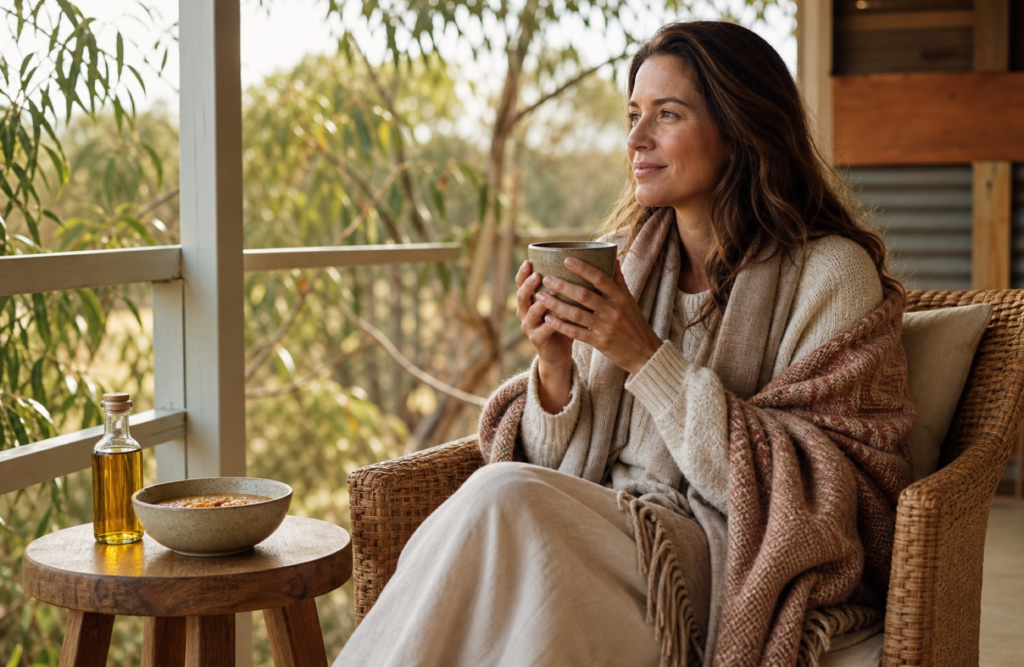
There are times when life feels like a gentle breeze — creative ideas flow easily, movement comes naturally, and the mind feels light and adaptable. And there are other times when that same breeze turns into a restless wind: thoughts scatter, sleep becomes elusive, skin and hair feel dry, and a sense of underlying anxiety or hurriedness lingers even when there is nothing urgent to do.
In Ayurveda, these experiences are often connected to Vata — the dosha formed from air and space. Vata governs all movement in the body and mind: the flow of breath, circulation, thoughts, and elimination. When balanced, Vata brings creativity, enthusiasm, quick thinking and graceful adaptability. When it becomes excessive — which can happen easily in our fast-moving modern world — it creates dryness, irregularity and a feeling of being ungrounded.
Australian life, with its variable weather, long distances, busy schedules and changing seasons, can sometimes amplify Vata qualities. Windy days, air-conditioned environments, irregular mealtimes or travel can all increase this light, mobile energy. The good news is that Vata responds beautifully to gentle, consistent care. Rather than trying to stop movement, we simply offer qualities that are opposite to its nature: warmth, oiliness, grounding and steady routine.
This is not about becoming rigid or slow. It is about creating small, loving anchors that allow Vata’s beautiful creativity and lightness to shine without tipping into restlessness.
Understanding Vata’s Nature
Vata is the most subtle and mobile of the three doshas. It is associated with qualities of dry, light, cold, rough, mobile and subtle. People with a strong Vata constitution often have a slender frame, dry skin or hair, and a naturally quick or creative mind. They may feel most alive in the early morning or during bursts of inspiration, and they often thrive on variety and new experiences.
When Vata is in balance, there is a wonderful sense of freedom, flexibility and joyful movement through life. When it becomes disturbed — often through cold weather, wind, irregular schedules, excessive travel, or emotional stress — we may notice dryness in the body, irregular digestion or elimination, difficulty settling into sleep, scattered thinking or a feeling of being “ungrounded.”
Recognising these patterns with kindness rather than frustration is the first step toward balance.
Signs That Vata Needs Gentle Support
Vata imbalance often shows up gradually. You might notice your mind jumping from one thought to another, difficulty concentrating, or a sense of underlying worry even when things are going well. Physically, there may be dry skin, cracking joints, cold hands and feet, or irregular appetite and digestion. Sleep can become light or restless, and there may be a feeling of being “wired but tired.”
In Australia these signs can appear more noticeably during the cooler, windier months, after long periods of air travel, or during busy times when routines fall away. The body is simply asking for more warmth, moisture and steadiness.
Creating Warmth and Routine in Daily Life
One of the most powerful ways to balance Vata is through warmth and consistency. Vata loves routine because it provides the stability this mobile energy craves. Simple anchors — waking and going to bed at roughly similar times, eating meals at regular intervals — help the nervous system feel safe and settled.
Beginning the day with a glass of warm water is a beautiful, gentle ritual. The warmth counteracts Vata’s cold quality and supports digestion. Adding a thin slice of fresh ginger or a pinch of cinnamon can bring extra comfort on cooler mornings.
Creating pockets of stillness within a busy day also helps. Even five minutes of sitting quietly with a warm drink, or stepping outside to feel the sun on your skin, can interrupt the scattered momentum that often builds with Vata.
Nourishing the Body with Warmth and Moisture
Vata benefits greatly from oiliness and moisture, both internally and externally. Warm, cooked foods are generally more balancing than raw or cold ones. Soups, stews, porridge and gently spiced meals feel nourishing rather than depleting. In Australia’s drier climates or during windy periods, these warming choices become especially supportive.
Self-massage, known as abhyanga, is one of the most treasured practices for Vata. Using a little warm sesame oil and massaging the body with long, soothing strokes before a shower nourishes the skin, calms the nervous system and brings a wonderful sense of being held and grounded. Even massaging just the feet and hands at night can be deeply settling.
Staying hydrated with warm fluids throughout the day also supports Vata. Herbal teas with ginger, cinnamon or fennel offer both warmth and gentle stimulation without overwhelming the system.
Grounding Practices for Mind and Nervous System
Because Vata governs the nervous system and mind, practices that bring the awareness downward and inward are especially helpful. Slow, deep breathing — inhaling for a count of four and exhaling for six or seven — can calm an overactive mind within minutes. Alternate nostril breathing is another traditional practice that helps balance the two sides of the brain and steady scattered thoughts.
Gentle yoga or stretching that focuses on grounding poses — such as child’s pose, forward bends or simply lying on the earth — can also be wonderfully settling. These movements do not need to be vigorous; they simply invite the body to feel supported by the ground beneath it.
Mindfulness plays a natural role here. When the mind feels scattered, gently bringing attention to the sensations of the feet on the floor or the breath moving in the body can anchor awareness without force.
Movement and Stillness in Balance
Vata needs movement, yet too much movement without grounding can increase restlessness. A daily walk — especially one where you can feel the earth beneath your feet — offers both. Walking in nature, whether along a coastal path, through bushland or in a local park, combines gentle movement with the calming presence of the natural world.
In Australia’s beautiful outdoors, barefoot time on grass or sand when possible can be deeply grounding. The direct contact with the earth helps counteract Vata’s light, mobile quality.
Equally important is allowing time for stillness. Vata benefits from not filling every moment with activity. Short periods of rest, quiet reading, or simply sitting and watching the light change can replenish this sensitive energy.
Seasonal Adjustments for Vata
Vata tends to increase during cooler, windier or transitional seasons — autumn, winter and early spring in many parts of Australia. During these times, extra emphasis on warmth, oil and routine becomes especially helpful. In summer, when heat can sometimes dry the system further (particularly in drier regions), maintaining hydration and gentle oiling of the skin remains supportive.
Adapting daily rhythms to the season — eating more warming foods when the air is cool, protecting the body from strong wind, and allowing more rest during shorter days — helps Vata stay balanced throughout the year.
A Compassionate Invitation to Steady Living
Balancing Vata is not about eliminating movement or becoming overly serious. It is about offering this beautiful, creative energy the warmth, moisture and steadiness it needs to flourish without tipping into restlessness. Small, consistent choices accumulate into profound shifts over time.
You might begin with just one or two practices that feel accessible — the warm water in the morning, a short self-massage at night, or eating meals at more regular times. Notice how your body and mind respond with kindness rather than expectation.
As you explore these gentle ways of caring for Vata, you may discover a quieter steadiness alongside your natural creativity and lightness. The mind feels less scattered, sleep comes more easily, and there is a growing sense of being supported from within.
May these simple practices bring you closer to the grounded yet vibrant balance that is your natural state — one warm sip, one mindful breath and one moment of presence at a time.
This article is for educational purposes only and is not intended as medical advice. Please consult a qualified healthcare professional for any health concerns.