
July 17, 2026
How Daily Choices Influence the Doshas
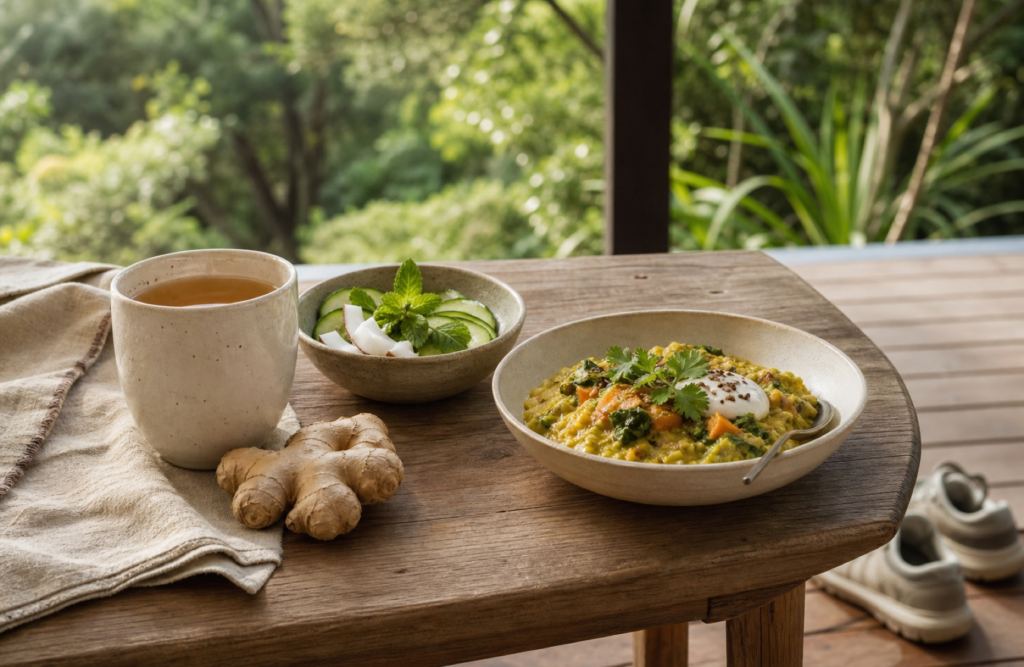
There are days when we feel light, creative and adaptable, moving through our tasks with ease. Other days bring a sense of inner heat or intensity, while still others leave us feeling heavy or slow to begin. These shifts are rarely random. In Ayurveda, they often reflect the subtle dance of the three doshas — Vata, Pitta and Kapha — as they respond to the choices we make throughout each day.
The doshas are not fixed labels but living energies that govern our physical, mental and emotional functions. Every decision we make — what we eat, when we sleep, how we move, and even the environments we spend time in — either supports their natural balance or gently disturbs it. Understanding this relationship empowers us to make small, conscious choices that help us feel more steady, clear and vibrant.
Rather than aiming for perfection, Ayurveda invites a kind of loving awareness. By noticing how our daily habits influence these inner energies, we can begin to live in greater harmony with ourselves and the natural world around us.
Understanding the Doshas as Dynamic Energies
Vata, formed from air and space, governs movement, creativity and the nervous system. When balanced, it brings enthusiasm, quick thinking and graceful adaptability. Pitta, made of fire and water, oversees transformation, digestion and intellect. In balance, it offers clarity, courage and warmth. Kapha, composed of earth and water, provides structure, stability and lubrication. When harmonious, it brings endurance, calm and deep compassion.
These energies are always present in each of us, though in unique proportions. Daily life constantly influences their state. A choice that calms one dosha may increase another. The art lies in observing these effects with curiosity rather than judgment, then gently adjusting as needed.
Food Choices and Their Impact
What we eat is one of the most direct ways we influence the doshas. Warm, cooked and well-spiced meals tend to ground Vata and support steady digestion. Cooling foods such as fresh fruits, cucumber and coconut help soothe excess Pitta, especially during hot Australian summers. Lighter, stimulating meals with warming spices can help prevent Kapha from becoming heavy or sluggish.
Equally important is how and when we eat. Rushed or irregular meals often disturb Vata, creating scattered energy or digestive irregularity. Eating mindfully, at roughly consistent times and without distraction, supports all three doshas by allowing the body to digest properly. Overeating or choosing heavy foods late in the day can increase Kapha, while excessively spicy or sour foods may aggravate Pitta.
Seasonal awareness makes these choices even more effective. In summer, favouring hydrating and cooling foods helps prevent inner heat from building. In cooler months, warming and nourishing meals help maintain steady energy without overwhelming the system.
Daily Rhythms and Routines
The structure of our days has a profound effect on the doshas. Consistent wake and sleep times help regulate Vata, which thrives on routine and becomes easily disturbed by irregularity. Going to bed earlier and rising with the light supports Pitta’s need for balance and prevents the mental intensity that can arise from late nights.
Simple daily anchors — such as beginning the morning with warm water, taking time for a short self-massage, or eating the main meal when the sun is highest — create stability. These rhythms do not need to be rigid. Even gentle consistency helps the doshas remain in better relationship with one another.
When routines are disrupted by travel, stress or changing seasons, the doshas often respond with noticeable shifts. Vata may become restless, Pitta more reactive, or Kapha heavier. Returning to simple daily anchors helps restore balance more quickly.
Movement, Rest and Environment
How we move and rest also shapes the doshas. Vigorous or irregular exercise can increase Vata, while moderate, grounding movement — such as walking in nature or gentle yoga — tends to steady it. Pitta benefits from cooling activities and avoiding excessive heat or competition during the hottest parts of the day. Kapha responds well to more active or stimulating movement that prevents stagnation.
Rest is equally influential. Quality sleep nourishes all doshas, while insufficient or irregular rest disturbs Vata most noticeably. Short periods of stillness during the day can also help prevent energy from becoming scattered or overheated.
Our environment plays a quiet but powerful role. Spending time in nature — feeling the earth beneath our feet, breathing fresh air by the sea or in the bush — grounds Vata and soothes Pitta. Air-conditioned or very dry indoor spaces can increase Vata’s dry qualities, while humid or still environments may heighten Kapha. Simple choices, such as opening windows when possible or stepping outside during the day, help maintain better balance.
Mindfulness and Emotional Choices
The doshas respond not only to physical choices but to our mental and emotional states. Stress, worry or overstimulation tend to increase Vata. Anger, frustration or perfectionism can aggravate Pitta. Attachment, resistance to change or prolonged inactivity may heighten Kapha.
Mindful breathing, short moments of quiet reflection, or simply noticing our emotional weather without judgment can help prevent these disturbances from taking hold. Practices such as gratitude at the end of the day or pausing before reacting create space for the doshas to remain more balanced.
These inner choices often have the most immediate effect. A few conscious breaths when feeling scattered can calm Vata more quickly than many external adjustments.
Seasonal and Lifestyle Adjustments in Australia
Australian seasons and lifestyle invite ongoing awareness of how daily choices influence the doshas. Hot summers can easily increase Pitta, calling for cooler foods, earlier evenings and protection from excessive heat. Windy or transitional periods often disturb Vata, making warmth, routine and grounding practices especially supportive. Cooler or damper weather may increase Kapha, encouraging more movement and lighter meals.
Busy modern life — with its irregular hours, travel and constant stimulation — tends to increase Vata for many people. Creating small islands of routine and connection with nature helps counteract this effect. Even in cities, finding moments to step outside, eat mindfully or wind down earlier can make a meaningful difference.
These adjustments are not about following strict seasonal rules but about listening to how our body and mind respond to the changing environment and gently responding.
Gentle Awareness as the First Step
The most powerful daily choice we can make is the choice to notice. Observing how we feel after certain foods, at different times of day, or during particular activities reveals the subtle ways our choices influence the doshas. This awareness itself begins to shift our relationship with daily life.
There is no need to analyse or judge these observations. Simply noticing — “I feel lighter after that meal” or “My mind feels more settled after that walk” — plants the seeds for natural, intuitive adjustments over time.
A Loving Invitation
Daily choices influence the doshas not through force or perfection but through consistent, caring attention. Each meal eaten with presence, each moment of rest honoured, and each return to routine becomes a quiet act of alignment with our own nature.
As you explore this gentle awareness, you may discover that balance is not something we achieve once and hold forever. It is a living relationship that deepens each time we choose with kindness. Small shifts in how we eat, rest, move and respond accumulate into a steadier, clearer and more vibrant way of being.
May your daily choices become quiet companions that help the doshas dance in greater harmony — supporting you in feeling more at home in your body and more connected to the rhythms of life around you.
This article is for educational purposes only and is not intended as medical advice. Please consult a qualified healthcare professional for any health concerns.