November 9, 2026
What Does a Holistic Health Assessment Involve? A Guide to Holistic Health Australia
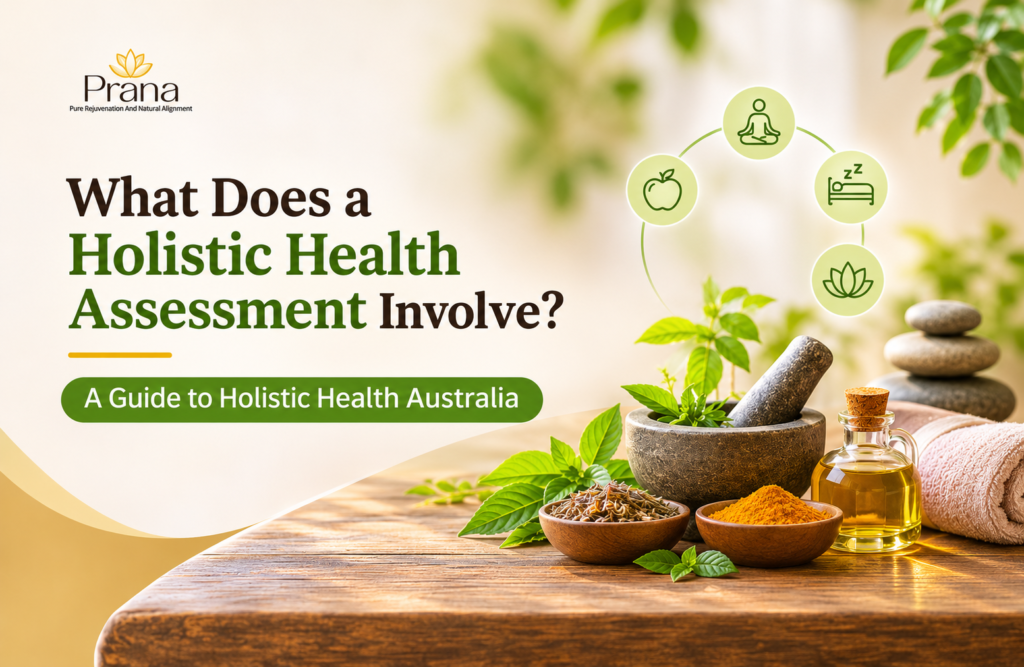
Do you ever feel tired despite getting enough sleep, experience digestive discomfort during stressful periods, or struggle to maintain a healthy daily routine? These concerns can make you wonder whether different aspects of your lifestyle are affecting your overall wellbeing. A holistic health assessment offers a way to explore these connections by looking beyond individual symptoms and considering physical health, emotional wellbeing, nutrition, sleep and everyday habits.
Across Australia, interest in holistic wellness and traditional health approaches continues to encourage people to learn more about personalised lifestyle practices. Ayurveda, an ancient Indian system of traditional knowledge, offers another perspective on daily health and balance. Understanding how these principles work can help you make more informed decisions about nutrition, rest, movement and mindful living.
Learn More About Whole-Body Wellness
What Is a Holistic Health Assessment and What Does It Involve?
A holistic health assessment is an approach to understanding wellbeing by considering the relationship between physical health, mental wellbeing, lifestyle, nutrition and environmental factors. In Holistic Health Australia, this approach helps people explore how different aspects of everyday life may influence their overall wellbeing. Rather than focusing on one concern in isolation, it looks at the connections between daily habits, physical health and emotional balance.
A conventional health check-up often focuses on specific medical measurements, symptoms and clinical risk factors. A holistic assessment may consider additional lifestyle questions to develop a broader understanding of someone’s daily habits and wellness goals.
Key Areas Considered During a Holistic Assessment
Depending on the practitioner and the type of assessment, the following areas may be explored:
- Physical wellbeing
This involves understanding general energy levels, physical activity, digestion, existing health concerns and changes in everyday functioning. Medical investigations should be arranged through an appropriately qualified healthcare professional when needed.
- Nutrition and eating habits
Food choices, meal timing, hydration and eating patterns can influence general health. An assessment may explore whether someone eats regularly, consumes a varied diet and has a sustainable approach to nutrition.
- Sleep quality
Sleep is essential for physical recovery, concentration and emotional wellbeing. Questions about bedtime routines, sleep duration, interruptions and morning energy can help identify habits worth reviewing.
- Emotional and mental wellbeing
Stress, work responsibilities, relationships and emotional pressures can influence everyday routines. Understanding these factors helps create a more complete picture of personal wellbeing.
- Daily lifestyle habits
Movement, screen time, relaxation, work schedules and exposure to natural environments may also be considered when exploring lifestyle balance.
How Ayurveda Approaches Personal Wellbeing
Ayurveda considers individual constitution and the relationship between daily habits, seasonal changes, digestion and rest. Three traditional principles known as Vata, Pitta and Kapha are used to describe different patterns of physical and mental characteristics.
These concepts provide a traditional framework for understanding individual differences. They should not be confused with medically established diagnoses or substitutes for clinical assessments.
How Does an Ayurvedic Lifestyle Assessment Work?
A holistic lifestyle assessment generally involves several stages of discussion and information gathering. The exact process depends on the provider, the assessment format and whether it is educational or delivered by a qualified healthcare practitioner.
An Ayurveda-informed discussion may explore the following steps:
- Understanding your concerns: Discuss the lifestyle changes or wellness questions you would like to explore.
- Reviewing daily routines: Look at meal timing, sleep schedules, physical activity and work patterns.
- Exploring Ayurvedic principles: Learn how concepts such as doshas, Agni and daily rhythms are understood within traditional Ayurveda.
- Identifying practical changes: Consider realistic adjustments to nutrition, rest, movement and relaxation.
- Reviewing progress: Observe whether the changes are practical and sustainable over time.
Many people worry that improving their health requires following a complicated routine or making several lifestyle changes at once. In reality, small and consistent adjustments can be a more manageable starting point.
Understanding an Ayurvedic Lifestyle Routine
An ayurvedic lifestyle routine is traditionally associated with Dinacharya, which refers to daily practices designed around regular waking, personal care, meals, movement and rest. Its purpose is to encourage consistency and awareness of natural daily rhythms rather than create a rigid schedule.
What About Ayurvedic Treatment?
The term ayurvedic treatment refers to traditional approaches that may include dietary guidance, lifestyle practices, herbal preparations and other therapies, depending on the practitioner and setting. The evidence supporting these approaches varies, and they should not replace appropriate medical diagnosis or treatment.
Understanding Ayurvedic Medication
Ayurvedic medication can include traditional herbal and mineral-based preparations. Some products may interact with prescription medicines or contain ingredients that require safety screening, so it is important to consult an appropriately qualified healthcare professional before using them.
What Are the Benefits of Taking a Holistic Approach to Health?
A holistic approach can help people understand how everyday habits connect with their general wellbeing and identify realistic opportunities for positive lifestyle changes.
Potential benefits of a structured wellness review include:
- Greater lifestyle awareness: Understand how food, sleep, activity and stress relate to everyday health.
- More consistent routines: Establish regular habits that are easier to maintain.
- Better understanding of nutrition: Learn about balanced meals, hydration and mindful eating.
- Improved sleep habits: Identify behaviours that may interfere with healthy sleep.
- Stress awareness: Recognise situations that contribute to stress and explore suitable relaxation techniques.
- Personal wellness goals: Develop practical priorities based on individual circumstances.
Who May Benefit From Learning About Holistic Wellness?
Holistic health education may be useful for:
- People interested in understanding traditional Ayurvedic principles.
- Individuals who want to develop healthier daily routines.
- Adults looking for practical ways to manage everyday stress.
- People interested in mindful eating and better sleep habits.
- Beginners exploring natural wellness and lifestyle education.
However, persistent fatigue, unexplained weight changes, ongoing digestive problems or other concerning symptoms should be assessed by a registered medical practitioner. A holistic approach should complement appropriate healthcare rather than delay it.
Exploring Ayurvedic Health Supplements
Ayurvedic health supplements are products containing ingredients traditionally used in Ayurveda, including selected herbs and botanical preparations. Their quality, safety and scientific evidence can vary, so consumers should check ingredients, product information and Australian regulatory requirements before purchasing or using them.
Practical Ayurvedic Practices for Everyday Wellness
Understanding traditional Ayurvedic principles does not require changing your entire lifestyle. Many practices can be explored gradually, provided they suit your circumstances and do not conflict with medical advice.
Build a Consistent Morning Routine
Starting the day at a regular time can help create structure. Some traditional Ayurvedic practices include drinking water, maintaining personal hygiene, gentle stretching and spending a few minutes observing the breath.
Choose Balanced and Varied Meals
Ayurveda places considerable importance on nourishment and digestion. A practical modern approach is to include vegetables, fruits, whole grains, suitable protein sources and healthy fats while maintaining regular meal patterns.
Explore Ayurveda Sleep Tips
Traditional ayurveda sleep tips often emphasise consistent bedtimes, calming evening activities, reduced stimulation before bed and a comfortable sleeping environment. These habits also align with widely recommended sleep hygiene practices.
Understand Ayurvedic Massage Australia
Interest in Ayurvedic massage Australia reflects the growing curiosity around traditional Indian bodywork practices, including Abhyanga, which traditionally involves applying oil to the body. Massage may support relaxation, but it is not a treatment for underlying medical conditions. Check practitioner qualifications, hygiene practices and suitability before booking a session.
Learn About Ayurvedic Products Australia
People researching ayurvedic products Australia should pay attention to ingredient transparency, manufacturing information, safety warnings and applicable Australian regulatory requirements. Products should be selected carefully rather than based solely on traditional claims or marketing promises.
Explore Ayurvedic Products
Traditional ayurvedic products may include herbal preparations, massage oils, personal care items, teas and lifestyle accessories. Understanding their intended use and limitations can help consumers make informed purchasing decisions.
Safety, Quality and Responsible Holistic Health Practices
Responsible wellness decisions begin with understanding the difference between traditional knowledge, scientific evidence and medical advice.
When exploring an Ayurveda-inspired wellness approach, consider these important precautions:
Check practitioner qualifications: Verify relevant qualifications, professional registration where applicable, and experience before seeking healthcare services.
Review product ingredients: Read labels carefully and avoid products with unclear ingredient lists or unsupported medical claims.
Check Australian regulations: The Therapeutic Goods Administration (TGA) regulates therapeutic goods in Australia. Consumers can check whether relevant listed medicines appear in the Australian Register of Therapeutic Goods (ARTG).
Discuss existing medications: Some herbal ingredients may interact with prescription medicines. Speak with your doctor or pharmacist before introducing supplements.
Avoid replacing medical care: Traditional wellness practices should not replace prescribed medication, clinical investigations or evidence-based treatment.
Consider individual suitability: Pregnancy, breastfeeding, allergies, chronic health conditions and other personal circumstances may affect whether particular products or practices are appropriate.
A responsible holistic approach recognises that traditional practices can provide cultural and lifestyle perspectives while modern healthcare remains important for diagnosing and managing medical conditions.
Why Explore Holistic Health Australia With PRANA Natural Alignment?
Finding reliable information is an important part of understanding natural wellness. PRANA Natural Alignment is an educational platform focused on making traditional Ayurvedic knowledge more accessible and relevant to modern lifestyles.
The platform explores the connection between breath, balance, rejuvenation and natural alignment through educational resources covering foundational Ayurvedic principles and mindful living.
Its approach focuses on four important areas:
- Breath: Understanding the relationship between breathing awareness, relaxation and everyday mindfulness.
- Balance: Exploring how nutrition, routines, rest and lifestyle choices contribute to a balanced way of living.
- Rejuvenation: Learning about traditional wellness practices and the importance of recovery.
- Natural Alignment: Developing greater awareness of daily rhythms and sustainable lifestyle habits.
For Australian readers interested in learning about Ayurveda, these educational resources offer an opportunity to explore traditional concepts without treating them as substitutes for medical care.
The aim is to make Ayurvedic knowledge easier to understand, encourage thoughtful lifestyle choices and help readers develop a more informed relationship with everyday wellbeing.
Conclusion:
Understanding your health involves more than looking at individual symptoms. Nutrition, sleep, emotional wellbeing, physical activity and daily routines all contribute to the bigger picture. A holistic assessment can provide a useful framework for exploring these connections and identifying practical areas for improvement.
Learning about Holistic Health Australia also means understanding how traditional Ayurvedic principles can be considered alongside modern health knowledge. The most sustainable approach is to focus on informed decisions, realistic lifestyle habits and appropriate professional guidance.
PRANA Natural Alignment provides educational resources for people interested in exploring Ayurveda, mindful living, breath and natural wellness. Visit the website to explore its Ayurvedic learning resources and take a thoughtful next step towards understanding whole-body wellbeing.
Frequently Asked Questions
1. What does a holistic health assessment include?
A holistic health assessment may explore nutrition, sleep, physical activity, emotional wellbeing, stress and everyday lifestyle habits. Its purpose is to understand how these factors relate to overall wellbeing rather than examine one concern in isolation.
2. How much does a holistic health assessment cost in Australia?
The cost varies depending on the provider, consultation length, qualifications and type of assessment. Ask the provider for a clear fee breakdown and confirm whether any additional services or follow-up appointments involve separate charges.
3. How can I find holistic health services near me?
Search for qualified holistic health practitioners near your suburb or city and check their credentials, experience, services and reviews. You can also explore online educational resources to learn about Ayurveda and traditional wellness principles.
4. Is an Ayurvedic health assessment the same as a medical check-up?
No. An Ayurvedic assessment explores wellbeing through traditional concepts and lifestyle factors, whereas a medical check-up involves clinical evaluation by an appropriately qualified healthcare professional. They serve different purposes and should not be considered interchangeable.
5. Can beginners follow Ayurvedic wellness practices?
Yes. Beginners can explore simple habits such as regular meal times, mindful breathing, gentle movement and consistent sleep schedules. It is sensible to introduce changes gradually and seek professional advice when health concerns or medication use are involved.
This article is general educational writing about Ayurveda and mindful living. It is not medical advice, diagnosis or treatment, and it is not tailored to your circumstances.
Where this article describes traditional Ayurvedic use, it is describing longstanding traditional practice rather than scientifically established effect.
Before starting any new practice, herb, oil or dietary change — particularly if you are pregnant or breastfeeding, managing a health condition, or taking prescribed medication — speak with your GP or a qualified health practitioner.
In an emergency, call 000. For health advice at any hour, healthdirect is available on 1800 022 222.