
July 17, 2026
Seasonal Eating According to Ayurvedic Wisdom
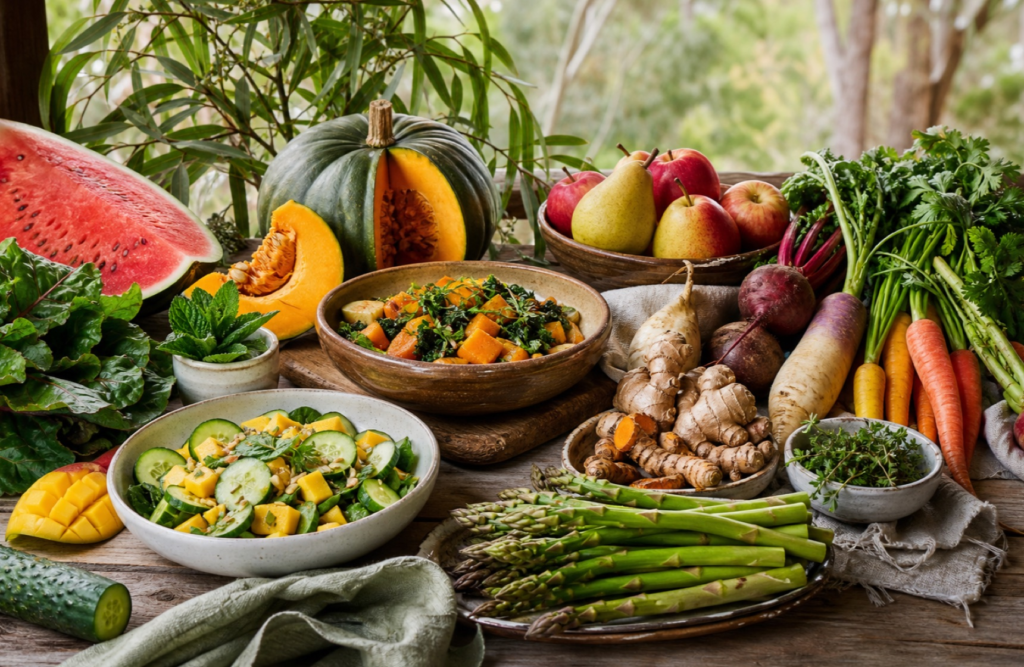
There is a natural intelligence in the way our cravings shift with the turning of the year. In the height of an Australian summer, cool watermelon or crisp salads often feel more appealing than heavy stews. As the air cools in autumn and winter, the body may naturally lean toward warming soups, spiced grains and nourishing root vegetables. Ayurveda has long recognised this inner guidance through the practice of ritucharya — living and eating in harmony with the seasons.
Rather than following rigid rules, seasonal eating invites us to notice how the changing light, temperature and available foods affect our energy, digestion and overall sense of balance. When we eat in tune with the season, we support the body’s natural rhythms instead of working against them. This gentle approach feels especially relevant in Australia, where summers can be intensely hot, winters mild yet crisp, and the produce at local markets reflects the land’s own cycles.
By aligning our meals with the qualities of each season, we help maintain steady digestion, clearer energy and a deeper connection to the natural world around us.
The Wisdom of Eating with the Seasons
Ayurveda teaches that the doshas — Vata, Pitta and Kapha — rise and fall with the seasons. Summer tends to increase Pitta’s hot and intense qualities. Cooler and transitional periods can disturb Vata’s light and mobile nature. Still or damp times may heighten Kapha’s heavy and stable qualities. Eating foods that carry opposite qualities to the dominant seasonal energy helps keep these forces in balance.
This is not about deprivation or complicated meal plans. It is about choosing fresh, seasonal foods prepared with care and eaten with presence. When we eat what is naturally available and suited to the weather, digestion tends to feel smoother and energy more consistent. The body receives exactly what it needs to stay nourished without being overwhelmed.
Summer: Cooling and Hydrating
Australian summers often bring long, bright days and significant heat. This is a time when Pitta qualities can become elevated, leading to inner warmth, irritability or a sense of heaviness after meals. Seasonal eating in summer gently emphasises cooling, light and hydrating foods.
Fresh fruits such as watermelon, cucumber, mango and berries, along with leafy greens and coconut, help cool and moisten the system. Light meals — salads, steamed vegetables, or simply prepared grains — are generally easier to digest than heavy or fried foods. Spices that cool rather than heat, such as coriander, mint and fennel, can be used generously.
Staying well hydrated is especially important. Room-temperature or slightly cool water, perhaps infused with cucumber or mint, supports the body without dousing digestive fire. Eating the main meal earlier in the day and keeping evenings lighter helps prevent discomfort during the warmest hours. In the heat, the body appreciates foods that feel refreshing yet still nourishing.
Autumn: Grounding and Transition
As the intense heat softens and the light begins to change, autumn brings a transitional energy that can increase Vata qualities — dryness, movement and sometimes a scattered feeling. Seasonal eating during this time focuses on warmth, moisture and grounding.
Cooked foods become more appealing than raw ones. Soups, stews, roasted vegetables and gently spiced grains help counteract dryness and provide steady nourishment. Warming spices such as ginger, cinnamon and cumin support digestion as the weather cools. Sweet, sour and salty tastes in moderation help ground Vata’s light nature.
This is also a beautiful season for mindful eating rituals. Taking time to prepare and savour warming meals creates a sense of steadiness during the shift. Local autumn produce — pumpkins, apples, pears and late-harvest vegetables — often carries exactly the qualities the body needs at this time of year.
Winter: Warming and Nourishing
Although Australian winters are often milder than those in many other parts of the world, shorter days and cooler nights can increase Kapha or disturb Vata. Seasonal eating in winter emphasises warmth, nourishment and gentle stimulation to maintain steady energy and strong digestion.
Hearty, cooked meals — soups, casseroles, root vegetables and warming grains — feel naturally satisfying. Spices that kindle digestion, such as ginger, turmeric, black pepper and cinnamon, help keep the inner fire strong. Ghee or small amounts of healthy oils added to meals provide the moisture and lubrication the body appreciates during cooler weather.
Eating earlier in the evening supports better rest when nights are longer. Warm drinks, such as ginger tea or warm water with a pinch of spice, can be sipped throughout the day to maintain internal warmth. This season invites slower, more nourishing meals that build resilience rather than deplete it.
Spring: Renewing and Lightening
Spring brings renewal and movement as the land awakens. This is traditionally a time when Kapha qualities that accumulated during winter begin to shift, sometimes creating a sense of heaviness before lightness returns. Seasonal eating in spring gently supports renewal through lighter, fresher and slightly bitter or pungent foods.
Early greens, sprouts, asparagus and bitter vegetables help clear any accumulated heaviness while still providing nourishment. Lighter preparation methods — steaming or quick cooking rather than heavy stewing — support the body’s natural spring cleaning. Warming spices in moderate amounts help prevent sluggishness without overheating the system.
This is a wonderful time to reconnect with fresh, vibrant foods from local markets or gardens. Eating with awareness of the returning light and growth around us deepens the sense of renewal that spring naturally offers.
Practical Tips for Seasonal Eating
Choosing foods that are in season and locally available is one of the simplest and most powerful ways to eat according to Ayurvedic wisdom. These foods have grown under the same conditions we are experiencing and tend to carry the qualities our bodies need.
Adjusting spices and cooking methods with the weather makes a noticeable difference. In summer, favour cooling herbs and lighter preparations. In cooler months, use warming spices and slower cooking methods. Paying attention to portion sizes also helps — lighter meals in heat, more nourishing portions when the body needs building warmth.
Eating with presence remains important across all seasons. Sitting down without distraction, chewing well and expressing quiet gratitude before a meal supports digestion no matter what the weather brings. These small acts turn seasonal eating into a mindful practice rather than just a set of food choices.
Listening to Your Body and Agni
While seasonal guidelines provide helpful direction, the most important teacher is your own body. Noticing how different foods feel in different seasons allows for personal adjustments. One person may thrive on very light summer meals, while another needs slightly more substance even in the heat. The key is to observe without judgment.
Agni, the digestive fire, also shifts with the seasons. It tends to be stronger in cooler weather and can become more sensitive during intense heat. Adjusting meal timing and complexity accordingly — eating the largest meal when digestion is strongest and keeping evenings lighter — supports balance throughout the year.
A Gentle Invitation
Seasonal eating according to Ayurvedic wisdom is ultimately an invitation to live in closer relationship with the natural world. It asks us to notice the changing light, the produce at our local markets and the subtle shifts in our own energy and cravings. These observations become a form of ongoing dialogue with the body and the land.
You do not need to overhaul your entire way of eating at once. Begin by choosing one or two seasonal foods that appeal to you right now and preparing them simply. Notice how your body responds. Allow the practice to grow naturally from there.
As you eat more in harmony with the seasons, you may discover steadier energy, smoother digestion and a quiet sense of belonging to the larger rhythms of life. May each meal become a gentle opportunity to nourish yourself in the way the season itself is inviting you to do — with warmth, freshness and presence.
This article is for educational purposes only and is not intended as medical advice. Please consult a qualified healthcare professional for any health concerns.